
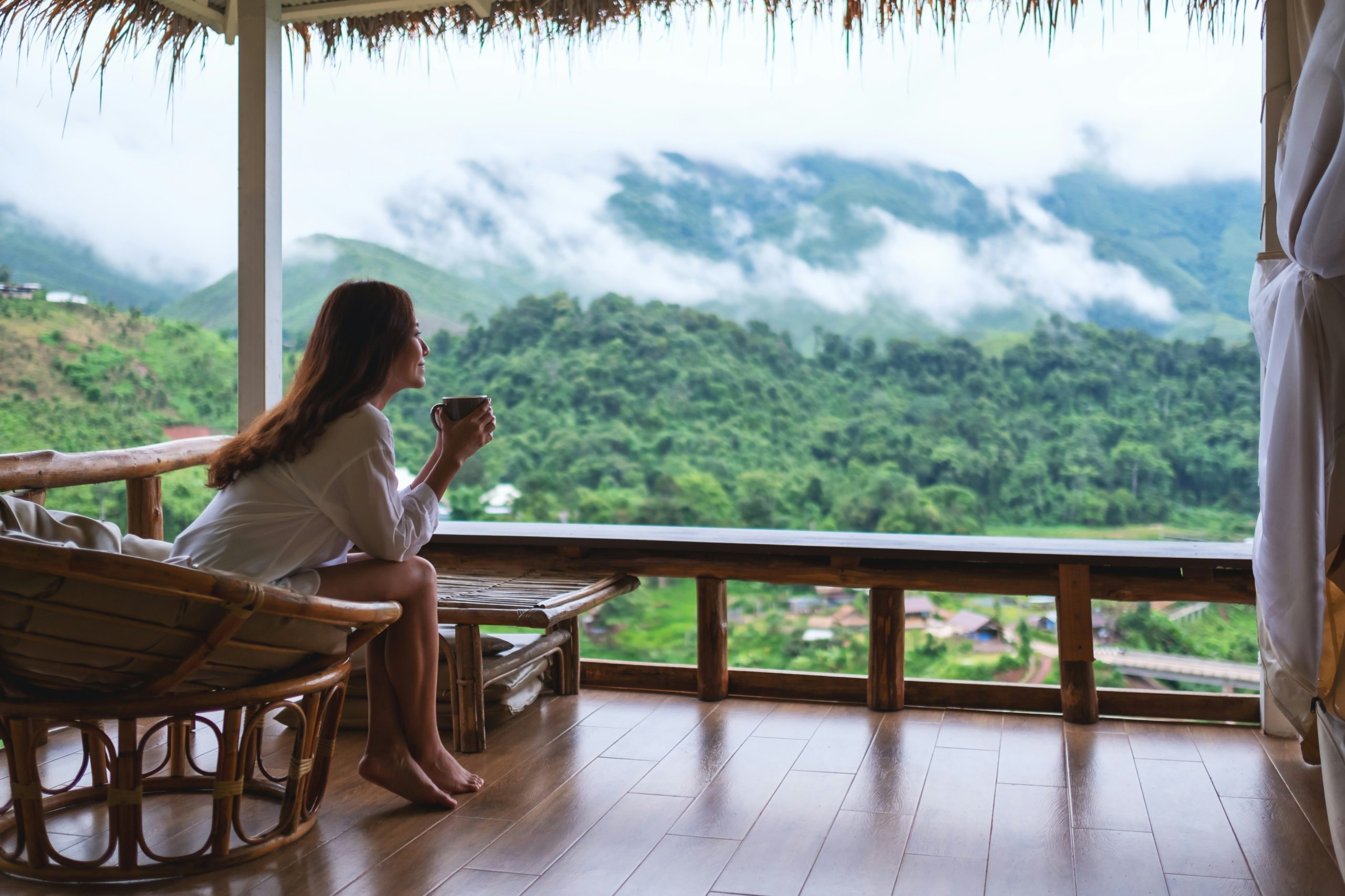
Visto de Pensão de Costa Rica
Requisitos, Limites de Rendimento, Prazo e Como se inscrever
Retire na Costa Rica com um caminho claro para a residência permanente e a cidadania.
O que é o visto Costa Rica Pensionado?
O Visto de Pensionista da Costa Rica é um programa de residência temporária destinado a aposentados com uma pensão vitalícia estável.
Este visto é concedido por dois anos e pode ser renovado. Após três anos de residência temporária, você poderá solicitar a residência permanente e, após sete anos de residência total, poderá solicitar a cidadania.
Em comparação com outras opções de visto, o visto Pensionado é:
- Uma das vias de residência mais acessíveis
- Desenvolvido para deslocamentos de longa duração
- Um caminho direto para a residência permanente e a cidadania
- Requisitos para a Visa de Pós-Retiro na Costa Rica (2026)
Para se qualificar, você deve atender aos seguintes requisitos:
- Receber um rendimento vitalício de pensão mínima de $1.000/mês
- Realize uma verificação de antecedentes limpa
Esse rendimento deve ser:
- Garantido para toda a vida
- Emitido por um governo, uma pensão privada ou um fundo de pensão
Fontes de pensão elegíveis
- Segurança Social (EUA, Canadá, Reino Unido, etc.)
- Pensions governamentais ou militares
- Planes de pensão privada
Outras Requisitos
- Passaporte válido
- Verificação de antecedentes criminais do FBI (ou equivalente) + apostila
- Certidão de nascimento + apostila
- Certidão de casamento (se aplicável) + apostila
- Prova de rendimentos provenientes de provedor de pensões + apostila
- Traduções por um tradutor costarriquenho aprovado pelo governo
- Registro junto à CAJA (Segurança Social da Costa Rica) após aprovação
Principal requerente
Para se candidatar como principal requerente, você deve demonstrar renda pensionável e cumprir todos os requisitos de documentação.
Requisitos:
- Rendimento vitalício de pensão de $1.000/mês
- Verificação de antecedentes apostilada
- Certidão de nascimento apostilada
- Passaporte válido
- Prova de rendimentos provenientes de pensões
- Documentos traduzidos
Esposo ou Esposa dependente
Você pode incluir seu cônjuge no seu pedido de Pensão.
Requisitos:
- Sem exigência de renda adicional (incluída no financiamento do principal requerente)
- Certidão de casamento apostilada
- Passaporte válido
- Verificação de antecedentes apostilada
- Registro de seguro de saúde / CAJA após aprovação
Crianças dependentes
Crianças dependentes também podem ser incluídas.
Requisitos:
- Tipicamente com menos de 18 anos ou dependente financeiramente
- Certidão de nascimento apostilada
- Passaporte válido
- Verificação de antecedentes (se aplicável, com base na idade)
- Benefícios do visto Costa Rica Pensionado
Residência na Costa Rica com possibilidade de renovação
- Renovação a cada dois anos
- Trânsito claro para a residência permanente (3 anos)
- Qualificação para a cidadania após 7 anos
- Capacidade de incluir cônjuge e dependentes
- Acesso ao sistema público de saúde da Costa Rica (CAJA)
- Possibilidade de possuir imóveis e abrir contas bancárias
O que o visto Pensionado NÃO permite
- ❌ Não pode trabalhar para um empregador costarriquenho
- ❌ Necessita inscrição na CAJA (contribuição obrigatória)
No entanto:
- ✅ O trabalho remoto e a renda externa são geralmente aceitáveis
- ✅ Você pode ter um negócio e receber dividendos
Como solicitar o visto Pensionado da Costa Rica
- Cole os documentos
- Verificação de antecedentes, certidão de nascimento, comprovante de pensão
- Apostila e traduções necessárias
- Processos internos completos
- Consulta completa de reconhecimento de impressão digital
- Traduções completas
- Realizar diversas tarefas administrativas
- Envie o seu pedido
- Espere pela aprovação
- Revisão e processamento de pedidos de imigração
- Passos após a aprovação
- Registe-se na CAJA
- Solicite o cartão de residência DIMEX
Cronologia do processamento
- Preparação do documento: 1–3 meses
- Processamento pelo governo: 8–12 meses
- Passos após a aprovação: 1–2 meses
Período total: ~10–15 meses
Quanto custa obter o visto Pensionado?
- Governo + jurídico + processamento: tipicamente $2.500–$3.500+
- Obtidação de documentos: varia de acordo com o país
- Traduções: $25–$35 por página
- Cartão DIMEX: ~$100–150
Custos adicionais contínuos:
- Contribuição CAJA: ~7–11% do rendimento declarado
Para quem a Visa Pensionado é indicada?
Este visto é ideal se você:
- Ter uma pensão vitalícia garantida de pelo menos $1.000/mês
- Quer se mudar para a Costa Rica de forma definitiva
- Buscam um caminho claro para a residência permanente e a cidadania
- Prefiro um limite financeiro mais baixo do que outras opções de residência
Pensãoista vs. Outras Vistos para Costa Rica
| Visto | Pensãoista | Rentista | Inversionista | Nómada Digital |
| Requisitos de renda | Pensão de $1000 / mês | $60.000 depositados numa conta bancária na Costa Rica | Investimento de pelo menos $200.000 (até 2026) | Receita de $3.000 por mês ($4.000 com família) |
| Comprimento | 2 anos renováveis | 2 anos renováveis | 2 anos renováveis | 1 ano, renovável por um máximo de dois anos |
| Caminho para a cidadania | Sim | Sim | Sim | Não |
| Melhor para | Reformados | Os candidatos que tiverem pelo menos $60.000 para depositar, mas não desejam comprar um imóvel. | Reformados | Trabalhadores remotos, famílias jovens |
| Cronologia | 10-14 meses | 10-14 meses | 10-14 meses | 2-3 meses |
A Visto de Pensionista da Costa Rica é a opção certa para você?
O visto de Pensionado é uma das formas mais populares e confiáveis de se mudar para a Costa Rica a longo prazo.
Se você atender ao requisito de renda e estiver planejando uma mudança permanente ou semi-permanente, essa é frequentemente a opção mais eficiente.
Passos seguintes
Se você está pensando em visitar Costa Rica, podemos ajudá-lo:
- Confirme sua elegibilidade
- Crie a sua aplicação de forma correta desde o início
- Gerencie o processo de ponta a ponta para evitar atrasos
Perguntas frequentes para expatriados que solicitam o visto Pensionado
O que é o visto Costa Rica Pensionado?
O visto Pensionado é o programa de residência da Costa Rica para aposentados com uma pensão vitalícia garantida. Ele concede residência temporária de dois anos que pode ser renovada, com um caminho claro para a residência permanente após 3 anos e a cidadania após 7 anos. É uma das opções de residência de longo prazo mais populares e acessíveis no país.
Qual é o requisito de renda mínima para o visto Pensionado?
Você deve receber pelo menos $1.000 por mês em pensão vitalícia. A pensão deve ser garantida para toda a vida e emitida por um governo, um serviço militar ou um fundo de pensão privado. A Pensão Social dos EUA é suficiente para esse requisito, tornando-a uma das mais acessíveis para residentes americanos na América Latina.
A Segurança Social dos EUA conta para o requisito de renda do Visto Pensionado?
Sim. A Segurança Social dos EUA é explicitamente elegível como fonte de pensão qualificada. O mesmo se aplica às pensões governamentais, às pensões militares e aos planos de pensão privados qualificados. Se a sua renda combinada ao longo da vida atingir $1.000/mês, você pode solicitar — mesmo que essa renda venha de várias fontes qualificadas.
Posso incluir meu cônjuge e meus filhos no meu pedido de visto Pensionado?
Sim. O seu cônjuge e os filhos dependentes podem ser adicionados ao seu pedido como dependentes. O seu cônjuge não precisa cumprir qualquer requisito de rendimentos adicionais — ele/ela está coberto pela sua pensão elegível. Os filhos dependentes são normalmente elegíveis se tiverem menos de 18 anos ou estiverem economicamente dependentes de si. Cada filho dependente necessitará dos seus próprios documentos apostilados (certidão de casamento para o cônjuge, certidão de nascimento para os filhos) e verificações de antecedentes, se aplicável.
Quais documentos eu preciso para solicitar o visto Pensionado?
Os documentos básicos necessários são:
- Passaporte válido
- Verificação de antecedentes criminais do FBI com apostila
- Certidão de nascimento com apostila
- Prova de rendimentos provenientes de pensões do seu provedor de pensões, com apostila
- Certidão de casamento com apostila (se houver cônjuge)
- Todos os documentos estrangeiros traduzidos por um tradutor aprovado pelo governo da Costa Rica
Os requisitos de apostila e tradução adicionam tempo significativo à preparação do documento — planeje 1 a 3 meses apenas para essa fase.
O que é uma apostila e por que eu preciso dela?
A apostila é uma autenticação oficial que torna um documento legalmente válido em outro país. A Costa Rica exige a apresentação de apostila em verificações de antecedentes, certidões de nascimento, certidões de casamento e cartas de pensão. Para os candidatos dos EUA, as verificações de antecedentes do FBI são autenticadas pelo Departamento de Estado dos EUA. Outros documentos geralmente são autenticados pelo Secretário de Estado no estado onde o documento foi emitido.
Quanto tempo leva para obter a Visa Pensionado?
O processo completo normalmente leva de 10 a 15 meses, desde o início até o final. A preparação dos documentos leva de 1 a 3 meses, o processamento pelo governo leva de 8 a 12 meses e as etapas posteriores à aprovação (registro na CAJA e emissão do cartão DIMEX) adicionam mais 1 a 2 meses. O cronograma de processamento de imigração está fora do seu controle, portanto, começar cedo e apresentar um pedido completo e livre de erros é importante.
Quanto custa o visto Pensionado?
Os custos totais variam, mas é esperado que você desembolse entre $2.500 e $3.500 ou mais em taxas governamentais, honorários advocatícios e custos de processamento. A tradução de documentos custa entre $25 e $35 por página, e a carteira de residência DIMEX custa aproximadamente $100 a $150. Após a aprovação, você também terá de pagar contribuições contínuas para a CAJA (assistência médica pública) correspondentes a aproximadamente 7 a 11% da sua renda declarada.
Posso trabalhar na Costa Rica com visto de Pensionado?
Você não pode trabalhar para um empregador costarriquenho com visto de Pensionado. No entanto, o trabalho remoto para empregadores ou clientes estrangeiros geralmente é permitido — sua renda estrangeira é considerada fora da jurisdição costarriquenha. Você também pode possuir uma empresa costarriquenha e receber dividendos dela. A restrição se aplica especificamente ao emprego local.
Preciso me inscrever no sistema público de saúde da Costa Rica (CAJA)?
Sim. A inscrição no Caja Costarricense de Seguro Social (CAJA) é obrigatória para todos os titulares do visto Pensionado. Sua contribuição mensal é baseada no seu rendimento declarado, geralmente entre 7 e 11%. Em troca, você terá acesso à rede nacional de saúde da Costa Rica, que oferece atendimento médico, hospitalar, especializado e medicamentos em todo o país.
Por quanto tempo é válida a Visto Pensionado e é possível renová-lo?
O visto é concedido por dois anos e pode ser renovado. Após 3 anos de residência temporária com o visto Pensionado, você poderá solicitar a residência permanente. Após 7 anos de residência legal total na Costa Rica, você poderá solicitar a cidadania — desde que atenda aos outros requisitos da época, incluindo o conhecimento básico do espanhol.
A Visa Pensionado pode levar a residência permanente e cidadania?
Sim — esta é uma das maiores vantagens da Visa Pensionado em comparação com opções como a Visa Digital Nomad. Após 3 anos de residência temporária, você pode solicitar a residência permanente. Após 7 anos de residência legal cumulativa, você se torna elegível para a cidadania costarriquense, que inclui um passaporte costarriquenho e o direito de votar.
Como a Visto Pensionado se compara a outras opções de residência no Costa Rica?
O visto Pensionado possui a menor barreira financeira dos principais programas de residência de longa duração da Costa Rica — apenas $1.000 por mês em rendimentos provenientes de pensão. O visto Rentista exige um depósito bancário de $60.000 e o visto Inversionista (investidor) exige pelo menos $200.000 em investimentos qualificados. O visto Digital Nomad exige $3.000 por mês em rendimentos ($4.000 com a família), mas não leva à residência permanente ou cidadania. Se você tiver uma pensão qualificada e estiver planejando uma mudança de longa duração, o visto Pensionado é quase sempre o caminho mais eficiente.
Para quem o Visto Pensionado NÃO é indicado?
A Visto de Pensionado não é ideal se sua renda vir principalmente de poupanças, investimentos, renda de aluguel ou trabalho remoto, em vez de uma pensão vitalícia — nesses casos, a Visto de Rentista ou Digital Nomad pode ser uma opção mais adequada. Além disso, não é a escolha certa se você planeja trabalhar localmente na Costa Rica, pois o trabalho local não é permitido nessa categoria de visto.
Posso adquirir propriedade na Costa Rica com o visto de Pensionado?
Sim. Os titulares de visto de aposentadoria podem possuir imóveis e abrir contas bancárias na Costa Rica. Muitos aposentados compram imóveis logo após a chegada, e o status de visto de aposentadoria facilita esse processo. Lembre-se que os imóveis em áreas costeiras (a menos de 200 metros da linha de maré alta) estão sujeitos a regras especiais de concessão de vistos de acordo com a legislação costarriquenha — consulte um advogado local antes de comprar terrenos em frente à praia.
Preciso viver no Costa Rica em tempo integral para manter meu visto de Pensionado?
A Costa Rica não exige que os titulares de visto de Pensionado residam no país em tempo integral, mas é importante ter em mente os requisitos mínimos de permanência para avançar no processo de obtenção da residência permanente e da cidadania. Passar longos períodos fora do país pode afetar os prazos de elegibilidade. Consulte os requisitos atuais de permanência com seu advogado de imigração, pois essas regras podem ser interpretadas de forma diferente de caso para caso.